
A Study on Employee Mental Health Initiatives in Corporate and Their Perception and Impact on The Employees
DOI:
https://doi.org/10.65521/ijrdmr.v15i2.3269Keywords:
Employee Mental Health, Workplace Well-being, Employee Assistance Programs (EAP), Organizational Support, Employee PerceptionAbstract
Employee mental well-being has gained significant attention among organizations due to rising workplace stress, evolving job roles, and dynamic work environments. This research focuses on analysing corporate mental health initiatives and evaluating employee awareness, accessibility, perception, and their influence on overall well-being and job performance.
The study is based on primary data collected from 126 employees and 6 HR professionals in Pune. A mixed-method approach was adopted, combining structured questionnaires with semi-structured interviews. Data analysis was carried out using percentage and correlation techniques.
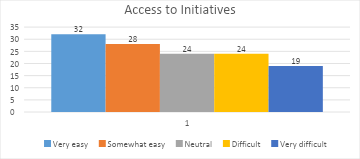
Findings indicate that although organizations have introduced various mental health programs, employee awareness and participation remain at a moderate level. Several employees are either unaware or hesitant to engage due to limited communication, time constraints, and social stigma. Additionally, accessibility and managerial support differ across organizations.
The results suggest that these initiatives contribute positively to stress reduction, productivity, and work-life balance, but the impact is not very strong. Weak relationships were observed between awareness, participation, and outcomes, indicating that mere availability of programs is insufficient.
The study recommends improving communication, minimizing stigma, ensuring easier access, and strengthening leadership involvement to enhance effectiveness.
Downloads
Downloads
Published
How to Cite
Issue
Section
License

This work is licensed under a Creative Commons Attribution-NoDerivatives 4.0 International License.