A Novel Machine Learning Technique for PV Panel Series DC Arc Fault Detection
Keywords:
Abstract
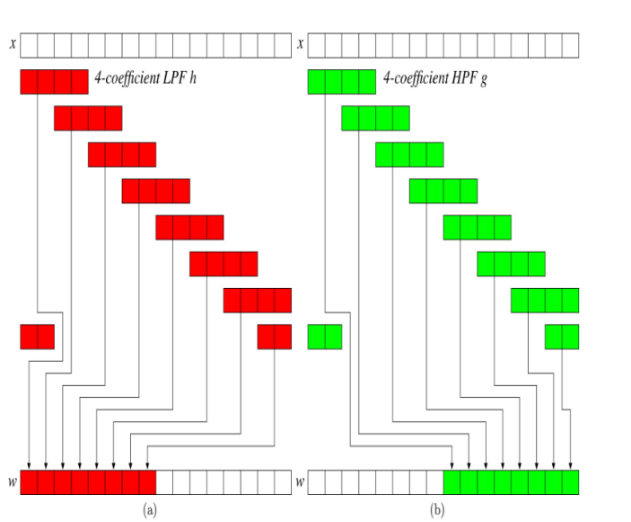
In our method, data is gathered from a variety of sources, such as smart meters, sensors, and meteorological information, and is then used to train a machine learning model. On the basis of the recent and previous data, the model is then used to forecast the probability of a problem happening. We run several experiments on a sizable dataset of power faults to show the efficacy of our methodology. Our findings demonstrate that our model has a high degree of precision and recall when it comes to fault detection. Overall, our research has the potential to increase the dependability and efficiency of electrical systems and marks a substantial advancement in the automation of electricity issue detection. The suggested strategy was put into action in three stages. Applying the discrete wavelet transform after reading the signals within a specific window size is necessary. With a five-level wavelet, we have used Daubechies wavelet 3 or 9 (db3, db9). Next, calculate each level's attributes, including energy, variance, wavelength, standard deviation, and entropy. Additionally, the sailfish optimization approach selects the top qualities before applying a random forest classifier to determine whether or not a fault is present. The fact that our suggested method provides for precision and early identification due to the right window size and characteristics is one of its main benefits. Our proposed method beats existing approaches like independent RF and ANN.