Artificial Intelligence for Atrial Fibrillation Detection Using Hybrid FFT-CWT and Stochastic Pooling Neural Networks
DOI:
https://doi.org/10.65521/ijacte.v13i2.3789Keywords:
Abstract
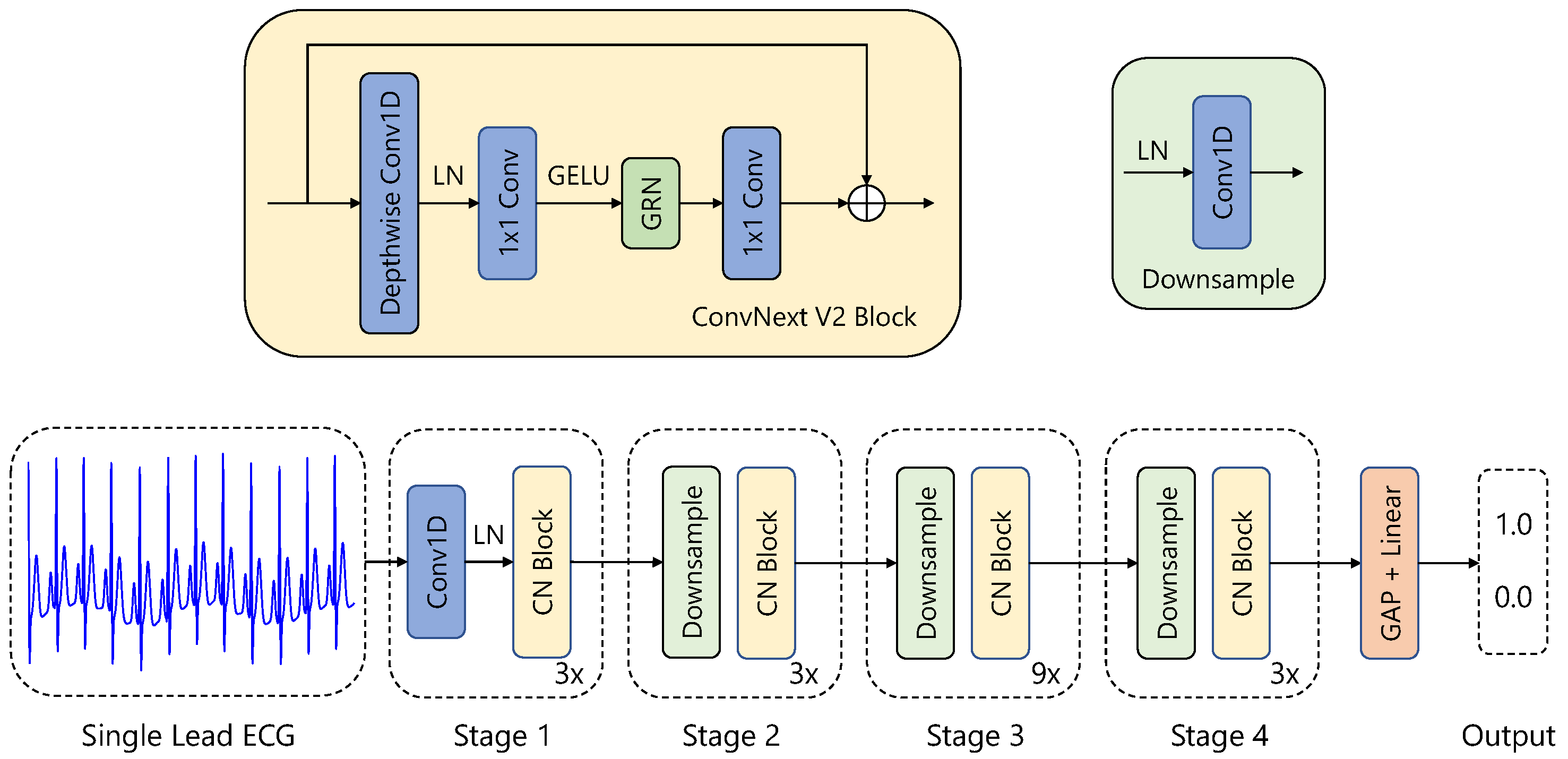
Atrial fibrillation (AF) is a prevalent cardiac arrhythmia associated with severe complications such as stroke and heart failure. Early and accurate detection is critical for effective treatment and prevention. With the rapid advancement of artificial intelligence (AI), automated AF detection using electrocardiogram (ECG) signals has gained significant attention. This study presents a comprehensive review of AI-based techniques for enhancing AF detection accuracy using single-lead ECG signals. The focus is on hybrid approaches integrating Fast Fourier Transform (FFT) and Continuous Wavelet Transform (CWT) with stochastic pooling-based neural network architectures. FFT captures global frequency characteristics, while CWT provides localized time-frequency information, making their combination highly effective for analyzing non-stationary ECG signals. Stochastic pooling further improves generalization by reducing overfitting in deep learning models. The review analyzes recent studies, highlighting advancements in hybrid signal processing, deep learning architectures, and real-time monitoring using wearable devices. Comparative analysis demonstrates that hybrid models significantly outperform traditional methods in terms of accuracy and robustness. Challenges such as noise, data imbalance, interpretability, and computational complexity are discussed. The study concludes that hybrid AI-driven frameworks hold strong potential for improving AF detection in modern healthcare systems.