Artificial Intelligence in Education: Transforming Learning Through Smart Technologies
Keywords:
Abstract
Education is undergoing major transformation thanks to artificial intelligence (AI).
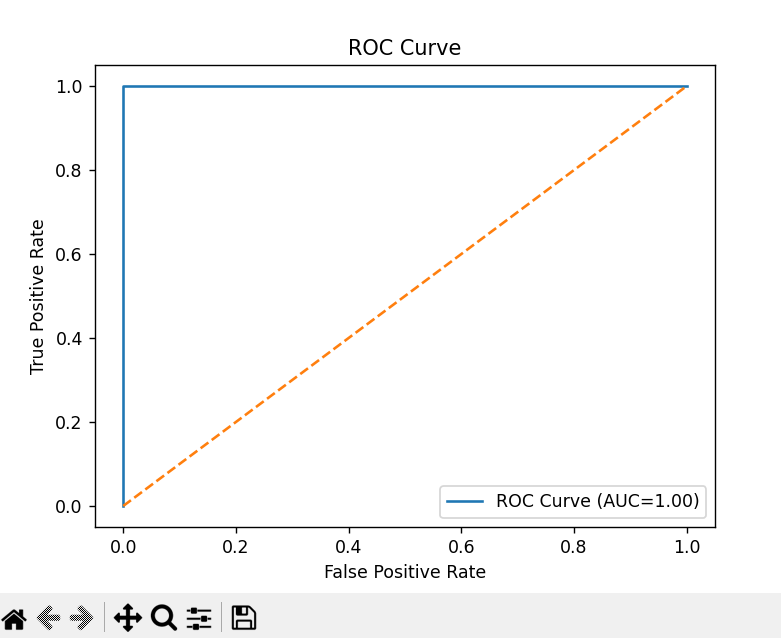
Traditional learning methods generally deliver the same content and pace to all students, even though learners have different abilities. AI addresses this issue by developing customized learning systems that adapt to each student’s individual needs. AI technologies analyze learning data such as quiz performance, time spent on tasks, and learning patterns to enhance educational outcomes. This study investigates the application of AI in education to enhance student performance and learning effectiveness. The EdNet dataset, which contains a sizable number of student interactions gathered from an online learning platform is applied in this study. Following preprocessing, the data is useful for training machine learning models, which includes Random Forest, Decision Tree, and Logistic Regression methods. These models assess how students learn and forecast their academic achievement. The findings show that when predicting student outcomes, the Random Forest model outperforms more conventional techniques like Logistic Regression and Decision Trees. The results imply that AI-based educational systems can be helpful to teachers to identify pupils who might require more help and provide tailored learning support. Along with highlighting potential future developments for AI-driven learning systems, the report also examines issues like data protection and accessibility.