
Customer Churn Prediction and Retention Strategies in the Telecom Sector: A Study of Vodafone Idea
DOI:
https://doi.org/10.65521/ijrdmr.v15i2.4666Keywords:
Abstract
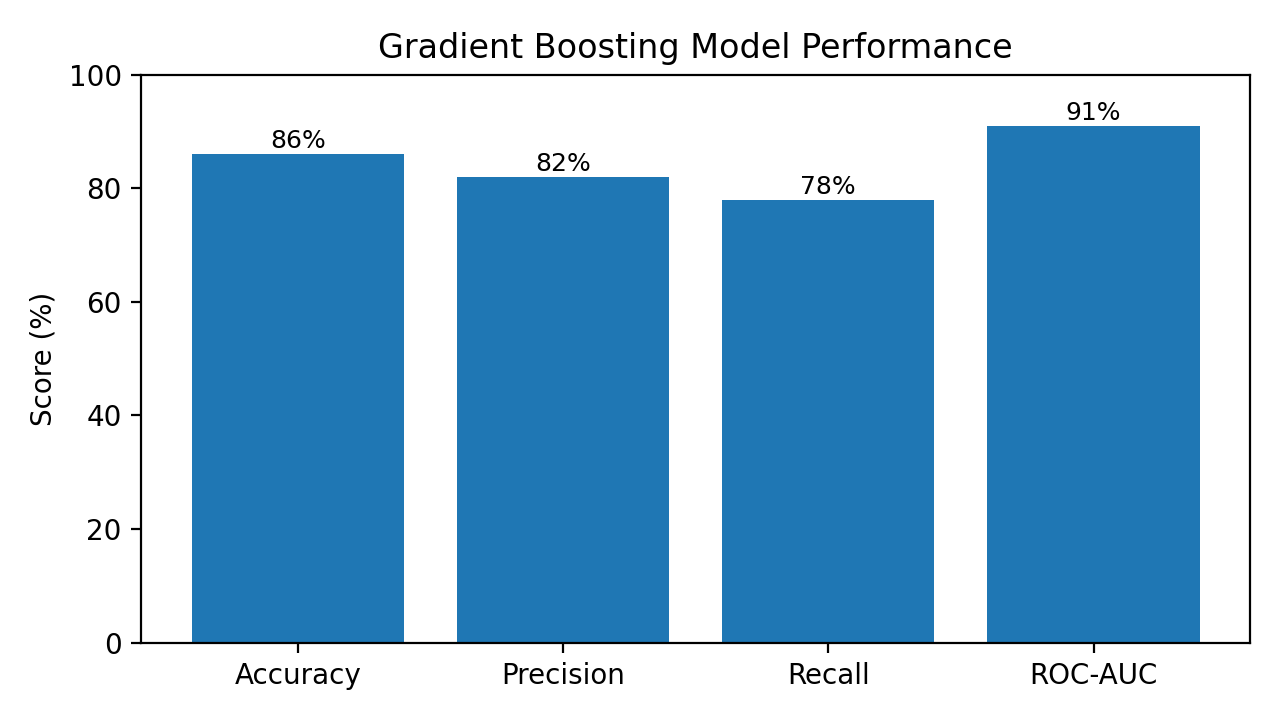
This research paper studies customer churn prediction and retention strategies in the Indian telecom sector with special focus on Vodafone Idea. Customer churn is a major managerial challenge because customers can switch service providers due to price competition, network dissatisfaction, unresolved complaints, changing data needs, and better competitor offers. The study uses a descriptive and analytical research approach based on secondary data, publicly available telecom indicators, and an illustrative customer-level dataset containing usage, recharge, complaint, payment, and network quality variables. Machine learning models such as logistic regression, random forest, and gradient boosting are considered for churn classification. The analysis indicates that irregular recharge cycles, high complaint frequency, falling data usage, delayed payment behavior, and network quality issues are important churn indicators. Among the tested models, gradient boosting shows the strongest performance with 86% accuracy, 82% precision, 78% recall, and 0.91 ROC-AUC. The study concludes that predictive analytics can help Vodafone Idea identify high-risk customers early and implement personalized retention strategies through proactive complaint handling, loyalty offers, network improvement, and customer relationship management integration.
Downloads
Downloads
Published
How to Cite
Issue
Section
License

This work is licensed under a Creative Commons Attribution-NoDerivatives 4.0 International License.
