
Impact of Stress, Anxiety, and Self-Confidence on Sports Performance: An Empirical Study
DOI:
https://doi.org/10.65521/ijrdmr.v15i2.3852Keywords:
Abstract
Although Psychology preparation is a component that has been often neglected by athletes and coaches alike, studies have shown that mental readiness was felt to b the most significant statistical link with Olympics ranking. Athletes have frequently been quoted to state how the mental aspect is the most important part of one’s performance. As Arnold Palmer, a professional golfer suggested that the game is 90% psychological. “The total time spent by the golfer actually swinging and striking the ball during those 72 holes is approximately seven minutes and 30 seconds, leaving 15 hours, 52 minutes and 30 seconds of ‘thinking time”.
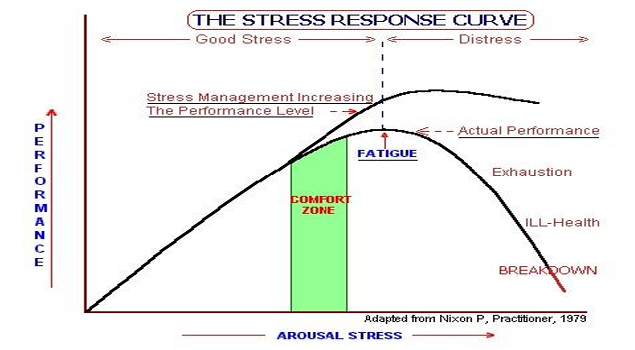
Within the parameters of psychological aspects of athletic performance, it is interesting to note that more than 70 percent questions raised, discussed and debated at the international conferences and seminars on sport psychology pertain to anxiety and aggression as performance to the genre of emotions. They arise under varying sets of circumstances and form a sort of continuum but always moving upward. Their far-reaching consequences for the physical and mental health of the people in general and performing athletes in particular, are an open secret. Stresses result from non-fulfilment of needs; continued stresses create anxieties, and anxiety leads to tension. The residual effect of tension is felt, monitored and evaluated both physiologically and psychologically and is ultimately linked with psychosomatic disorders.
Downloads
Downloads
Published
How to Cite
Issue
Section
License

This work is licensed under a Creative Commons Attribution-NoDerivatives 4.0 International License.
