
Survey of Real Time Drowsiness Detection Systems
DOI:
https://doi.org/10.65521/intjournalrecadvengtech.v14i3s.1654Keywords:
Abstract
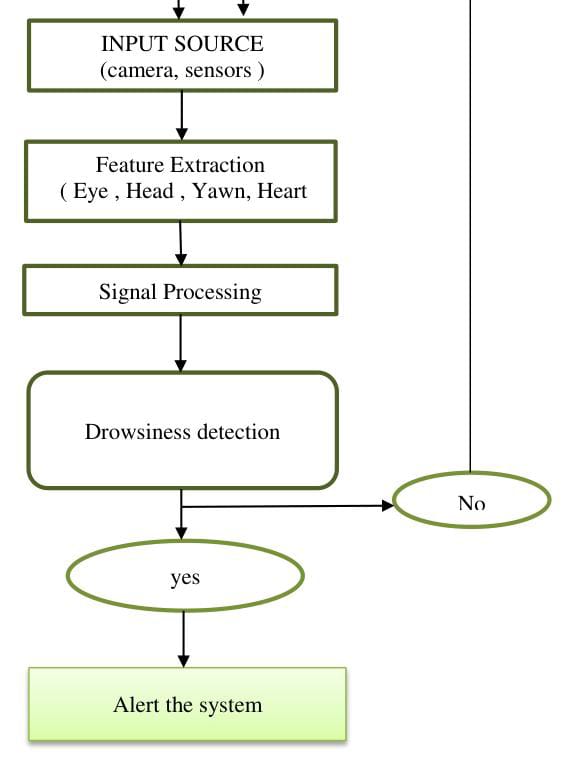
Driver drowsiness, or getting sleepy while driving, Causes many road accidents every year. To keep road Safe, this paper reviews different way to detect when a driver is getting tired. Two main methods are studied Radar-based systems and Camera –based systems.
Radar can check heart rate and breathing by sensing small Chest movements without touching the driver. Camera systems watch the driver’s face and head to see if the eyes are closing or the head is dropping. Using both methods together can give a more complete view of the driver’s condition. Studied show radar works well even in low light, and cameras can clearly spot visible signs of tiredness. Combining these methods can make a reliable system that warns drivers before accidents happen. This approach can help reduce accidents, but more work is needed to make it cheaper and easy to use in all cars.
Downloads
Downloads
Published
How to Cite
Issue
Section
License

This work is licensed under a Creative Commons Attribution-NoDerivatives 4.0 International License.
