Design and Implementation of a Concurrent Port Scanning and Vulnerability Analysis Library in Go
DOI:
https://doi.org/10.65521/mjret.v13i1.3113Keywords:
Abstract
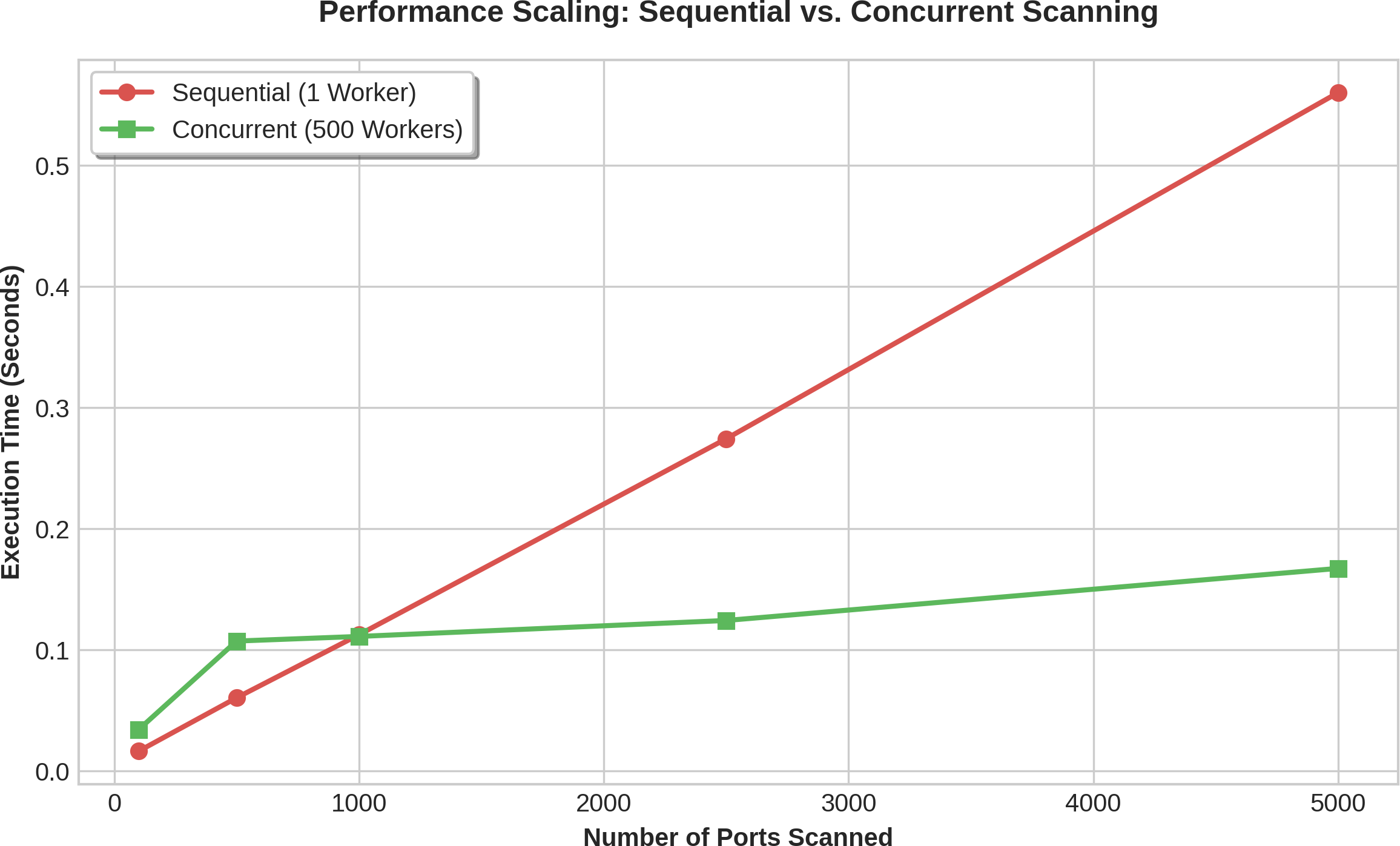
Network reconnaissance is the most critical first step in understanding and securing any computer networks. Before defending a system, security professionals must know exactly which ports are open and what services are running on them. However, using large, traditional port scanning software can sometimes be too slow or too difficult to integrate into modern, automated security systems and cloud environments. This paper presents the design, architecture, and early testing of a fast, lightweight port scanning and service identification tool built entirely in the Go programming language (GoLang). By utilizing Go’s built-in concurrency features—specifically goroutines and channels the proposed tool can check thousands of network ports at the exact same time without overwhelming the host system’s memory or central processing unit. This document deeply explores the internal architecture of the tool, the step-by-step logic it uses to check ports and grab service banners, and the impact of operating system limits on concurrent network sockets. Furthermore, we compare its speed against traditional single-threaded methods and the industry standard Nmap tool across multiple experiments. The results prove that our Go library drastically reduces scan times, making it a highly capable, scalable, and easily integrable solution for modern cybersecurity development.