Arduino-Based Energy-Efficient Motion-Sensing Lighting System
DOI:
https://doi.org/10.65521/itsi-teee.v14i1.315Keywords:
Abstract
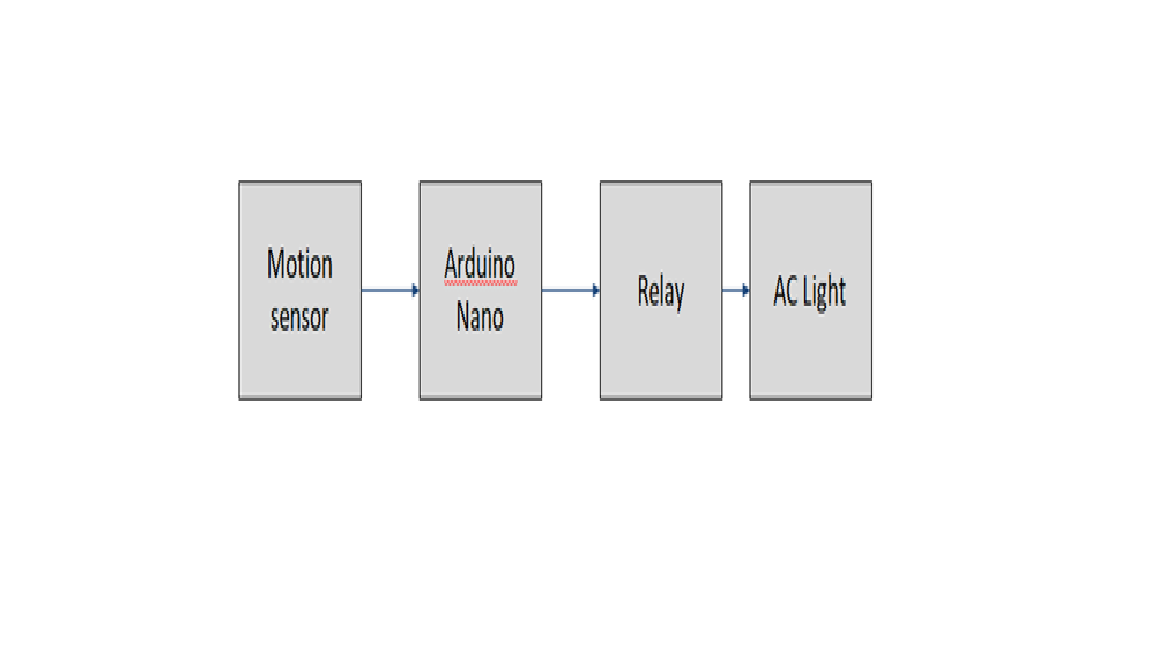
This paper explores the design, development, and deployment of an energy-efficient lighting system that activates based on motion detection, powered by an Arduino microcontroller. The system's main objective is to automate lighting control, ensuring that lights are only switched on when motion is sensed and automatically turned off after a set period of inactivity. This strategy reduces unnecessary energy consumption and supports sustainability by preventing lights from staying on when they are not needed. The Arduino platform acts as the system's central controller, offering a flexible and customizable base for managing sensor inputs and regulating lighting outputs. Thanks to the adaptability of Arduino, the system can be tailored for various applications, including residential, commercial, or industrial settings, adjusting to different environmental needs and conditions. It can be easily integrated into current infrastructures, providing an affordable and scalable solution for optimizing energy use. Additionally, the ability to program and adjust the system's settings through the Arduino platform makes it a cost-effective option for both residential smart homes and commercial buildings, where energy efficiency is a growing priority. The adoption of such systems in smart cities and sustainable development initiatives could play a significant role in reducing energy waste and improving overall building management efficiency.