AI Techniques for Smart Agriculture Pest Identification Using Quantum CNNs and Wireless Sensor Networks: A Review
DOI:
https://doi.org/10.65521/ijacte.v13i2.3793Keywords:
Abstract
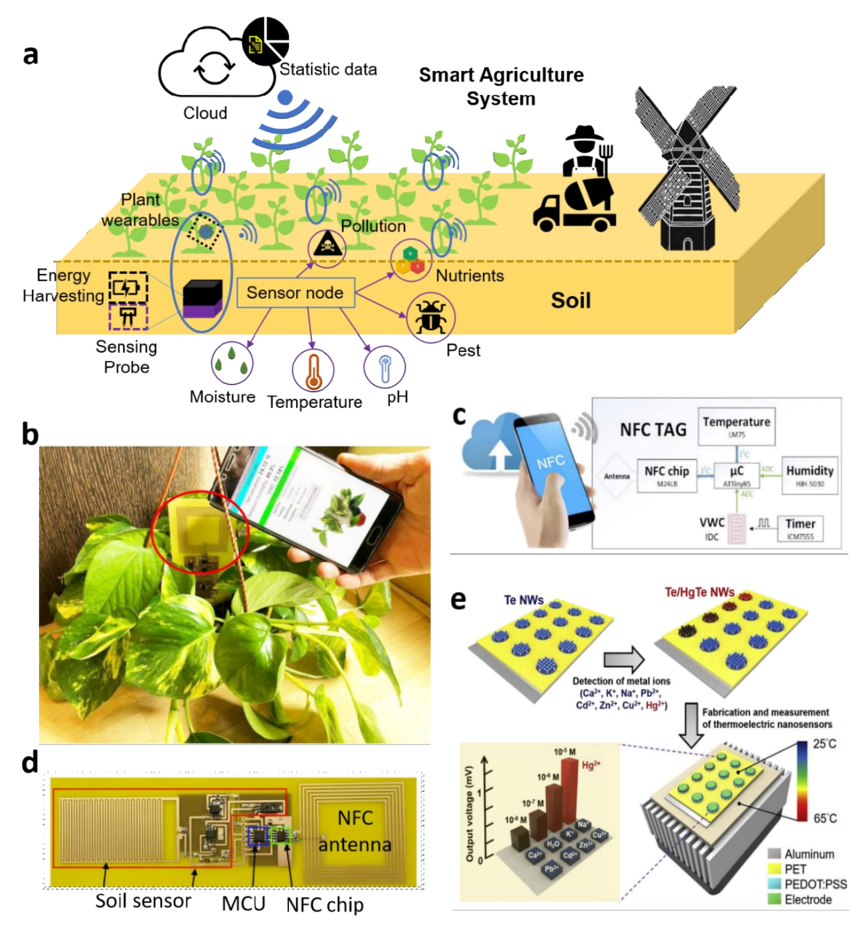
Smart agriculture has emerged as a critical solution for improving crop productivity and sustainability in response to increasing global food demands. Among various challenges, pest infestation remains a major cause of agricultural losses, necessitating efficient detection and control mechanisms. Artificial Intelligence (AI), particularly deep learning techniques such as Convolutional Neural Networks (CNNs), has significantly enhanced pest identification through image-based classification. Recent advancements integrate Wireless Sensor Networks (WSNs) and Internet of Things (IoT) technologies to enable real-time monitoring of environmental parameters and pest activity. AI-enabled IoT systems can collect, analyze, and respond to data dynamically, improving early detection and intervention strategies. For instance, sound-based pest detection combined with sensor analytics has demonstrated improved accuracy and real-time responsiveness in large agricultural fields . Furthermore, emerging paradigms such as Quantum Convolutional Neural Networks (QCNNs) promise improved computational efficiency and scalability for processing complex agricultural datasets. Multi-modal systems combining image, sensor, and acoustic data further enhance detection accuracy and robustness. Despite these advancements, challenges such as data scarcity, energy consumption in WSNs, and deployment complexity remain significant. This paper presents a systematic review of recent advances, comparative analysis, and future directions for AI-driven pest management systems.