Authorization Security and Identity Management in Web Application Development Using Java and Spring Boot Security
DOI:
https://doi.org/10.65521/ijacte.v15i2S.3002Keywords:
Abstract
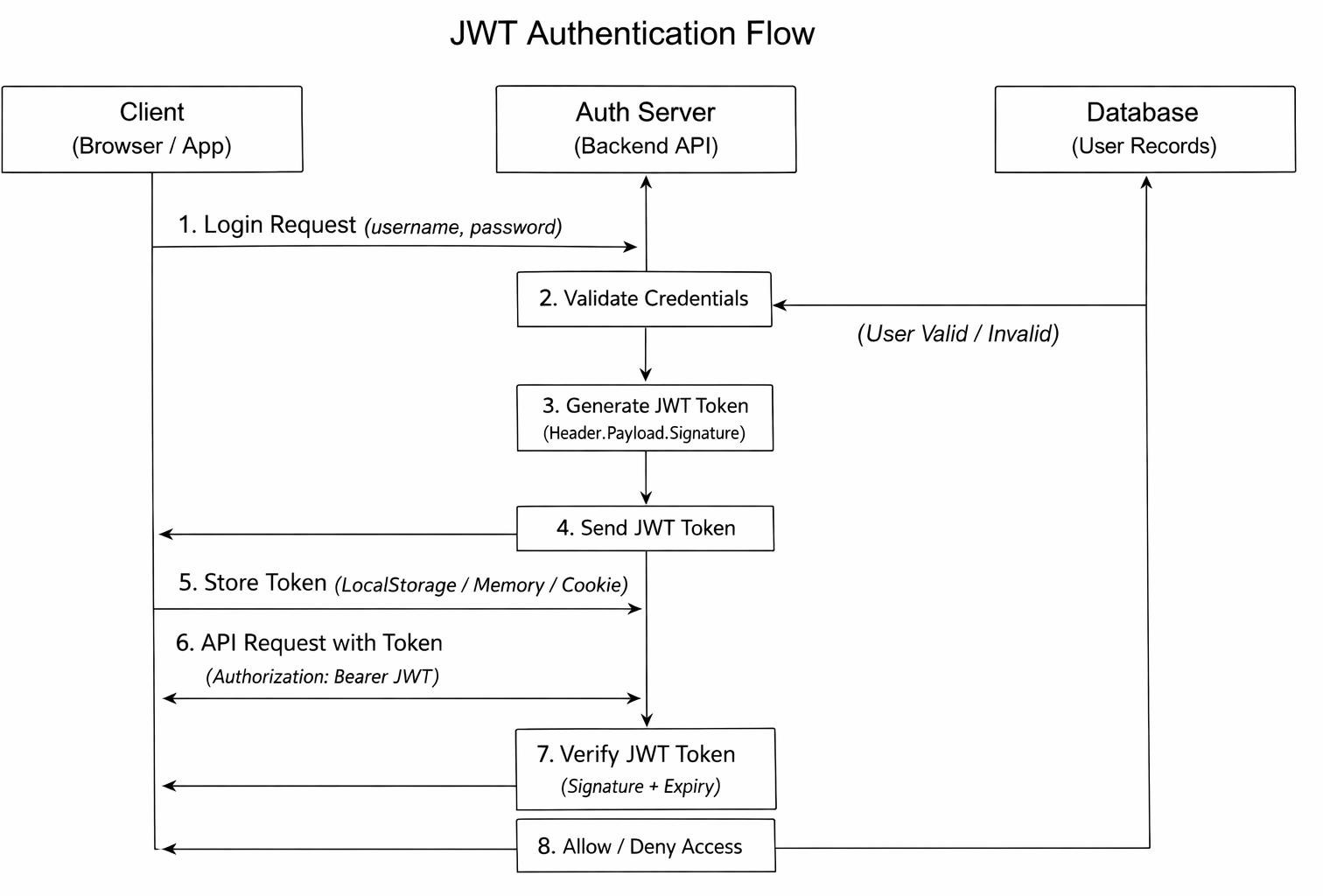
Security in modern web applications is a critical concern as digital systems increasingly handle sensitive personal, financial, and business data. This paper presents a comprehensive study of authorization security and identity management techniques implemented using Java and the Spring Boot Security framework. The research explores core concepts including authentication, role-based access control (RBAC), JSON Web Token (JWT) based stateless authentication, OAuth 2.0 integration, and method-level security using annotations. The study examines how Spring Security's filter chain architecture enables flexible and extensible security configurations for RESTful web applications. A comparative analysis of session-based and token-based authentication strategies is presented, along with implementation patterns for securing APIs against common threats such as unauthorized access, privilege escalation, and token forgery. The research demonstrates through practical implementation that Spring Boot Security provides a robust, production-grade security framework that significantly reduces the complexity of implementing enterprise-level identity management. Findings indicate that JWT-based authentication combined with role-based access control delivers optimal performance and scalability for distributed web applications. This paper concludes with recommendations for best practices in designing secure, maintainable, and standards-compliant authorization architectures in Java-based web systems.