
Blockchain-Based Electronic Voting Systems
DOI:
https://doi.org/10.65521/oaijse.v9i1s.3700Keywords:
Abstract
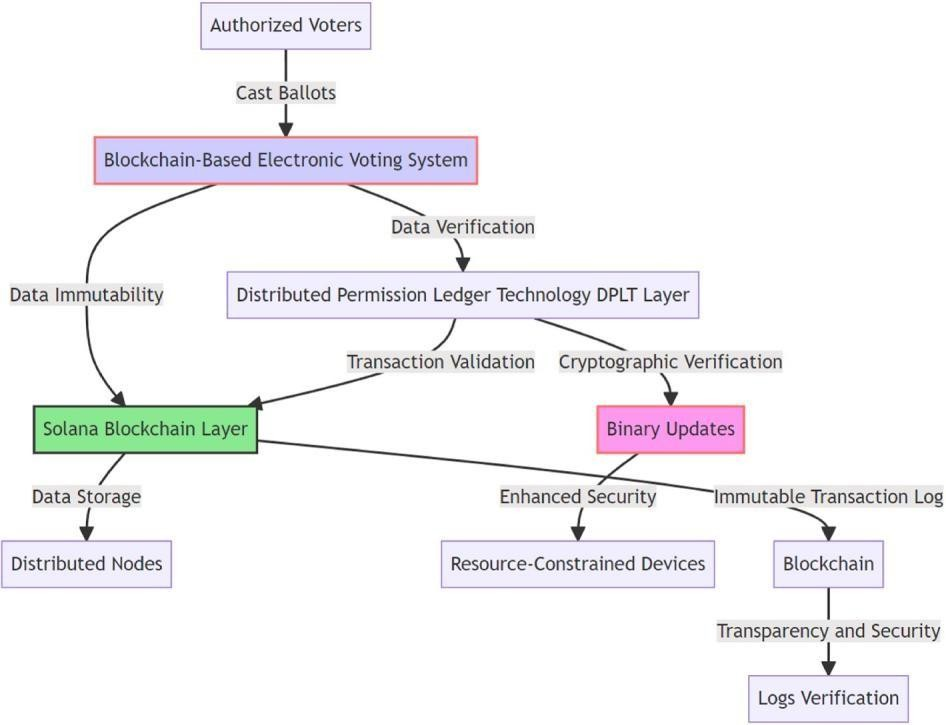
This research examines the feasibility of implementing blockchain-based electronic voting systems in India to enhance electoral transparency and integrity. The study employs a methodology that combines Distributed Permission Ledger Technology (DPLT) and the Solana blockchain, resulting in a multilayered system. The main findings highlight the effectiveness of blockchain technology in mitigating electoral fraud and manipulation when implemented with precision, underscoring the importance of meticulous design and execution. These findings contribute significantly to discussions surrounding the modernization of electoral processes in the digital age and support the hypothesis that blockchain can address vulnerabilities in traditional voting methods. Moreover, the study marks a significant step toward modernizing elections, preserving democratic principles, and reinforcing the role of technology in addressing persistent electoral challenges, ultimately enhancing accessibility, security, and transparency in elections and strengthening democracy in the digital era.
Downloads
Published
How to Cite
Issue
Section
License

This work is licensed under a Creative Commons Attribution-NonCommercial-ShareAlike 4.0 International License.
