AI-Driven Predictive Analytics for Identifying Emerging Trends in Quality-Oriented Employment
DOI:
https://doi.org/10.65521/ijeecs.v14i1.231Keywords:
Abstract
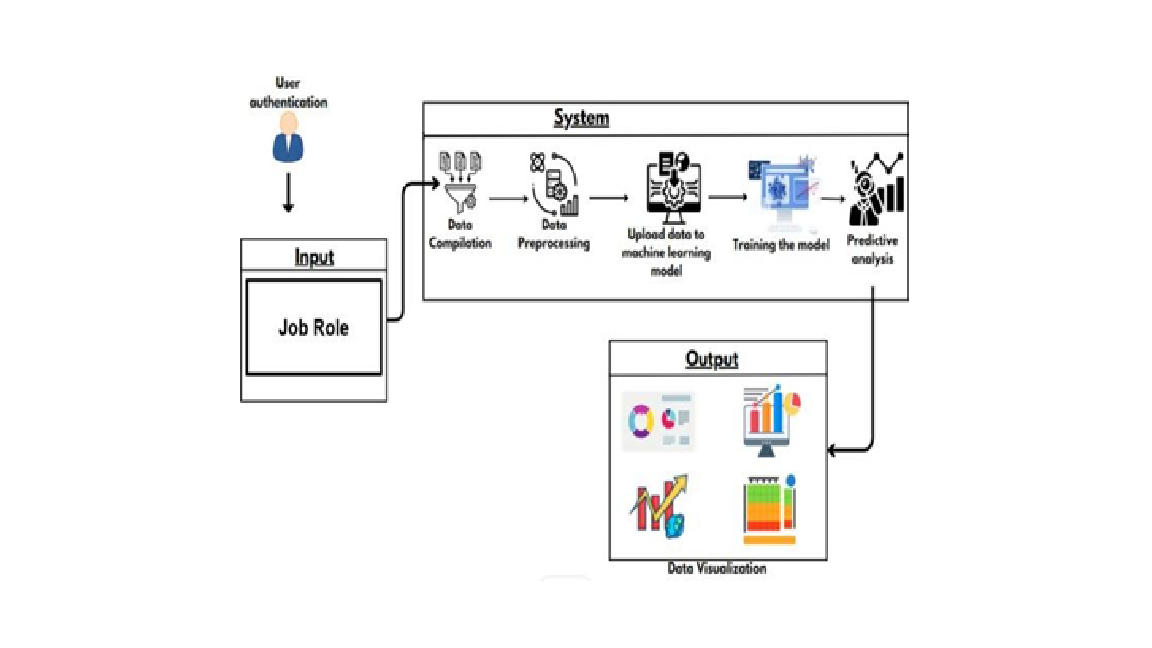
The swift development of the international Labour market, fueled by technology, economic change, and sectoral needs, calls for powerful forecasting instruments to predict jobs. This study uses predictive analytics informed by artificial intelligence to single out breaking trends in quality-based jobs in four major industries: Technology, Finance, Manufacturing, and Healthcare. Using past job posting data from Naukri.com, the research uses the Seasonal Autoregressive Integrated Moving Average (SARIMA) model to forecast future job trends for three years. SARIMA's capacity to extract seasonal and long-term patterns makes it well-suited for this purpose, as compared to the standard machine learning algorithms such as XGBoost and LSTM, which tend to neglect temporal relationships. The research examines 40 occupations (10 per industry) to detect trends in job demand, necessary skills, and seasonal fluctuations in hiring. The findings are represented in an interactive Tableau dashboard, giving stakeholders practical insights into job numbers, skill requirements, salary distributions, and highest-paying locations. The results underscore the need for skill alignment and seasonal patterns in Labour market planning, providing policymakers, employers, and job seekers with data-driven guidance for strategic decision-making. By combining predictive analytics with interactive visualizations, this study adds to the larger debate on AI-based Labour market analysis and offers a scalable solution for meeting future workforce challenges.