
A Systematic Review of Hybrid dynamical system models for human–robot interaction: Methods, Architectures, and Future Research Directions
DOI:
https://doi.org/10.65521/ijeecs.v14i2.2111Keywords:
Abstract
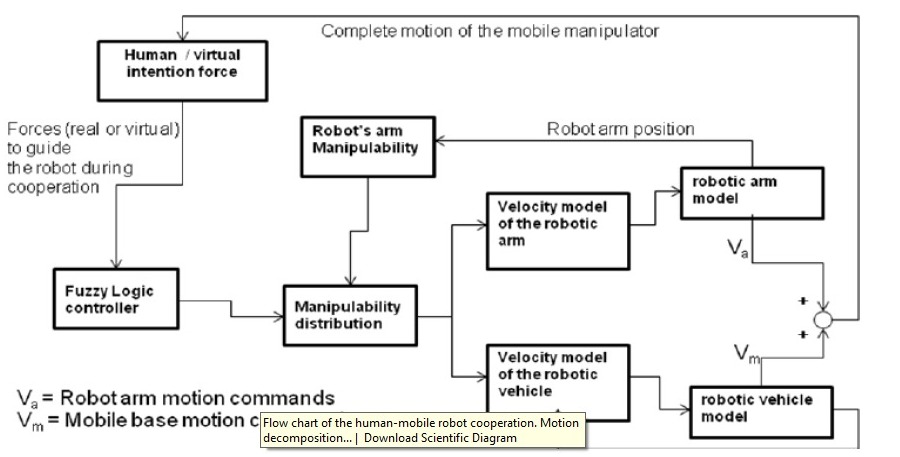
Hybrid dynamical systems have emerged as a powerful mathematical and computational framework for modeling complex interactions between continuous and discrete processes in human–robot interaction (HRI). These systems enable the integration of physical dynamics, decision-making logic, and adaptive control, which are essential for safe and efficient collaboration between humans and robots in dynamic environments. This paper presents a comprehensive systematic review of hybrid dynamical system models for HRI, focusing on methodologies, architectures, and future research directions. The review synthesizes recent advances between 2018 and 2025, examining key modeling paradigms such as switched systems, hybrid automata, and learning-based hybrid frameworks. The findings highlight the growing convergence of control theory, machine learning, and cognitive modeling in HRI systems, emphasizing improvements in safety, adaptability, and real-time responsiveness. The paper contributes a structured analysis of 30 representative studies, identifies research gaps in scalability, interpretability, and robustness, and outlines future directions including AI-integrated hybrid models and secure human-aware robotic systems.
Downloads
Published
How to Cite
Issue
Section
License

This work is licensed under a Creative Commons Attribution-NoDerivatives 4.0 International License.
