Recent Advances in Combining the Advantages of Radiomics Feature Extraction and Non-Invasive Detection of Microsatellite Instability in Colorectal Cancer Using Hyperparameter Tuned Pre-Trained Model: A Systematic Review
DOI:
https://doi.org/10.65521/ijaece.v14i2.2705Keywords:
Abstract
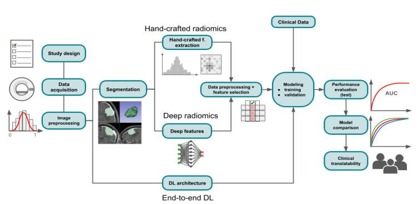
Colorectal cancer (CRC) remains a leading cause of cancer-related mortality worldwide, with microsatellite instability (MSI) serving as a critical biomarker for prognosis, therapeutic response, and immunotherapy eligibility. Traditional MSI detection techniques, including polymerase chain reaction (PCR) and immunohistochemistry (IHC), are invasive, time-consuming, and resource-intensive. Recent advances in radiomics and artificial intelligence (AI) have enabled non-invasive, image-based prediction of MSI status, leveraging quantitative features extracted from medical imaging modalities such as computed tomography (CT), magnetic resonance imaging (MRI), and positron emission tomography (PET/CT). Radiomics transforms imaging data into high-dimensional features reflecting tumor heterogeneity, which can be integrated with machine learning and deep learning models. The emergence of hyperparameter-tuned pre-trained models has further enhanced predictive accuracy and generalizability. This systematic review synthesizes recent advancements between 2020 and 2023, focusing on the integration of radiomics and AI for MSI detection in CRC. The findings demonstrate that radiomics-based models achieve promising performance with area under the curve (AUC) values exceeding 0.85 in several studies, highlighting their clinical potential. However, challenges such as data heterogeneity, lack of standardization, and limited external validation remain significant barriers to clinical translation.